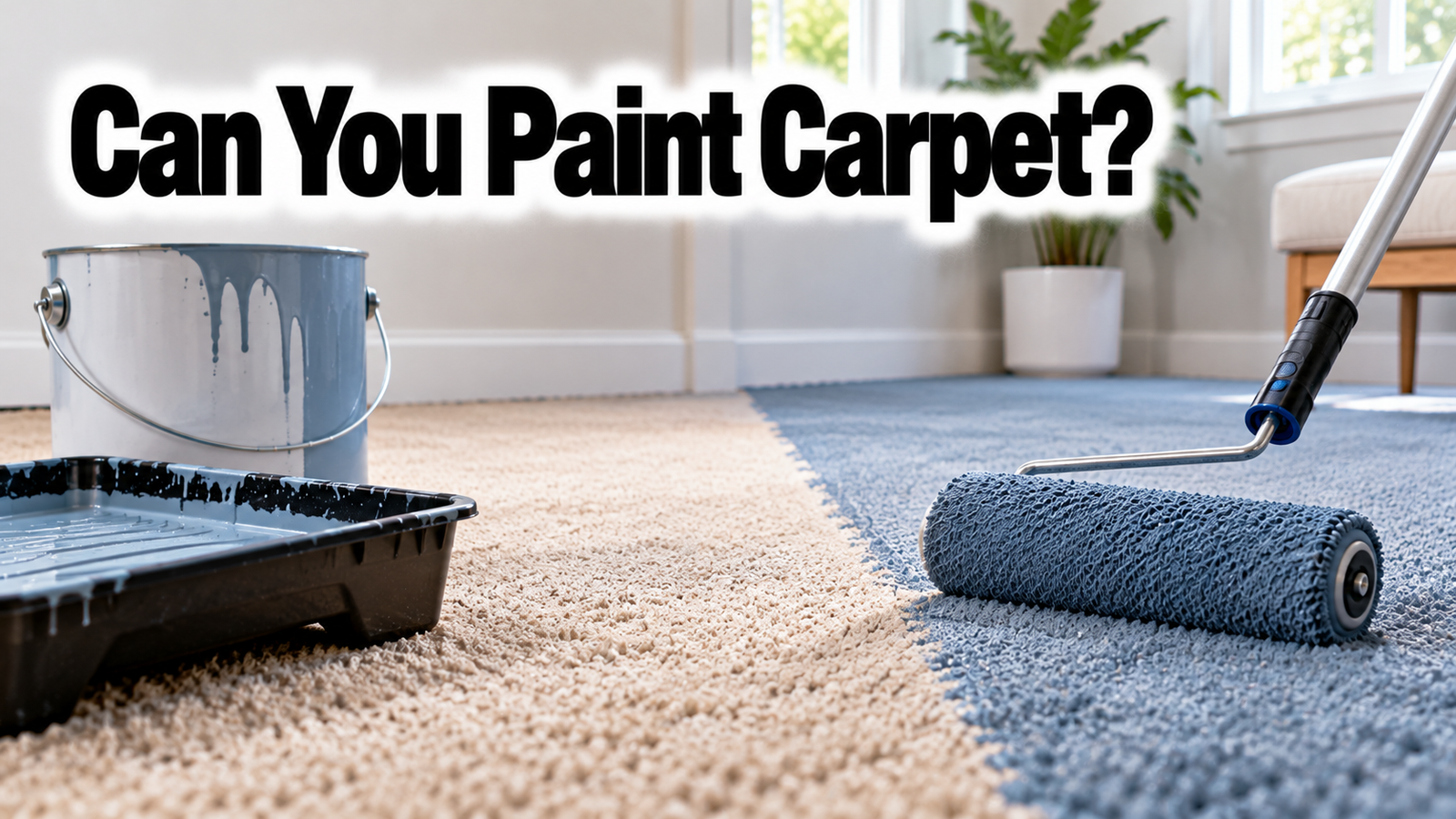

Yes, you can change the color of carpet, but ordinary wall paint is usually a poor choice. Standard latex or acrylic paint can dry into a hard coating that makes fibers crunchy, matted, and uncomfortable underfoot. For a color refresh, use a product specifically labeled for carpet or textiles, and check that it is compatible with your carpet’s fiber. Even then, results can be uneven and may wear down in busy areas. If you want a soft, durable finish, professional carpet dyeing, a rug, or replacement may be a better option.
- Why does ordinary paint cause problems?
- Is carpet paint different from carpet dye?
- Which carpet types are easiest to color?
- What are the risks of painting carpet?
- How can you color carpet more safely?
- Test before treating the whole floor
- Apply thin, even coats
- What color changes are realistic?
- What are better alternatives to painting carpet?
- When should you hire a professional?
- Conclusion
- Frequently asked questions
- Can you spray paint carpet?
- Will painted carpet feel hard?
- Can you paint carpet a lighter color?
- Does carpet paint last?
- Is dye better than paint for carpet?
- Related Articles
Can you paint carpet with regular wall paint?
It is technically possible to spread wall paint over carpet, but it rarely produces a finish that feels or wears like normal carpet. Paint is designed to form a film on a surface. Carpet, by contrast, is made of thousands of flexible fibers that bend whenever someone walks across them. When ordinary paint dries around those fibers, it can bind them together and leave a rough, stiff texture. The coating may also crack, flake, or shed as the carpet flexes.
Why does ordinary paint cause problems?
The main issue is flexibility. Wall paint is formulated for a firm surface such as drywall or wood, not a soft pile that moves underfoot. A heavy application can also seep toward the backing, where it may affect adhesives or make the carpet feel hard at its base.
Brushing or scrubbing to work the paint in can distort the pile and leave visible tracks. These problems are especially noticeable on plush, shag, and high-pile carpet. If the area is walked on every day, a painted surface is likely to show wear sooner than a purpose-made color treatment.
Is carpet paint different from carpet dye?
Yes. Carpet paint or textile color coating generally leaves pigment on or around the fibers, while dye is designed to enter and color compatible fibers. A carpet-specific spray may be useful for a small decorative project, a low-traffic room, or a carefully planned pattern. A dye may be a better option for refreshing an entire carpet, but it only works well with suitable fibers and correct application. Neither option guarantees a perfect result, and the label should specifically allow the product to be used on carpet, not just fabric or upholstery.
Which carpet types are easiest to color?
Fiber content makes a major difference. Nylon and wool are generally more receptive to suitable carpet dyes than many other materials. Polyester and olefin, also called polypropylene, can resist common dyes, so the color may not bond or spread evenly.
Stain-resistant treatments and blends can also affect the result. Short, dense pile is usually easier to treat evenly than long, loose shag because the colorant can reach the fibers without leaving obvious clumps. Check the carpet label or ask the manufacturer before buying a product. If you cannot identify the fiber, do not assume a general-purpose paint or dye will work.
What are the risks of painting carpet?
The biggest risks are a stiff texture, uneven color, color transfer, and damage that cannot be easily reversed. A colorant may look even while wet but dry darker in some places. If the product rubs off onto socks, shoes, furniture, or pets, it can spread beyond the area you treated.
Too much liquid can also soak the backing or underlay, increasing drying time and potentially creating odor or moisture problems. Strong solvents and unsuitable chemicals can damage synthetic fibers, backing, or adhesive. Always follow the product label, ventilate the room, and test a hidden patch before treating a visible area.
How can you color carpet more safely?
If you decide to proceed, use a carpet-specific dye or textile color product whose instructions explicitly include your carpet material. Treat the job as a permanent change, not a quick coat of paint. First, vacuum thoroughly and remove dirt or residue with a compatible carpet-cleaning method. Let the carpet dry completely.
Existing stains should be dealt with before coloring because a new colorant may not hide them, and some marks can remain visible through the finish. Move furniture out of the area and protect baseboards, nearby flooring, and other surfaces from overspray or drips.
Test before treating the whole floor
Choose an inconspicuous spot, such as inside a closet or beneath furniture. Apply the product exactly as directed, including any dilution or drying instructions. After it has fully dried, check the color in daylight and under the room’s normal lighting. Rub the test area gently with a clean, light-colored cloth to see whether color transfers.
Feel the fibers, too. If they become sticky, crunchy, clumped, or noticeably rough, do not continue across the room. A small test cannot guarantee that a large area will look uniform, but it can reveal an obvious mismatch or texture problem before it becomes expensive.
Apply thin, even coats
If the test is acceptable, work in small sections and follow the product’s recommended application method. Avoid flooding the carpet. Apply only the amount specified, and distribute it evenly so one area does not become darker or wetter than another.
Do not mix products or add household paint, solvents, or textile additives unless the manufacturer specifically directs you to do so. Keep people and pets away while the product is being applied and while it dries. Ventilate the room as directed, and do not replace furniture until the carpet is fully dry and the label says it is safe to use.
What color changes are realistic?
Coloring carpet usually works best when you want to deepen an existing shade or create a small decorative effect. A dark colorant will not reliably turn a dark carpet light, because the original color remains underneath.
Strong stains, bleach marks, sun fading, and worn fibers can also lead to differences in how the color appears. For a consistent whole-room change, a professional can assess the fiber, current color, and condition before recommending dyeing. Ask what result is realistic and whether the color may rub off or require special cleaning.
What are better alternatives to painting carpet?
If your main goal is to make a room look different, there are options that involve less risk. A large area rug can cover an outdated shade while adding a new pattern or texture. Furniture placement and washable runners can hide a worn walkway, though they should be secured to reduce slipping.
Professional cleaning may improve carpet that looks dull because of embedded soil rather than fading. If only a small section is damaged, a carpet repair specialist may be able to patch it using a matching piece from a closet or leftover installation material. When the pile is badly worn, stained through, or separating from the backing, replacement may give a better long-term result than coloring.
When should you hire a professional?
Consider a professional carpet dyeing or repair service when you want to recolor a large room, the carpet is expensive, the fiber is unknown, or the finish must look consistent. A specialist can assess dye compatibility and moisture risks, and can explain the limits of the result before work begins.
Professional dyeing is not suitable for every carpet, so ask about the material and the method rather than assuming all carpets can be recolored. If you rent, check your lease and get written permission before making a permanent change. A DIY treatment that cannot be removed could leave you responsible for replacement costs.
Conclusion
You can color carpet, but ordinary wall paint is rarely the right product because it can stiffen fibers, create patchy coverage, and wear away with foot traffic. Choose only a carpet-specific colorant that matches the fiber, test it in a hidden spot, and follow the label closely. For a whole-room change or a carpet you want to keep soft, professional dyeing, repair, a rug, or replacement is usually the safer path.
Frequently asked questions
Can you spray paint carpet?
Only use a spray product that is specifically labeled for carpet or compatible textiles. Regular spray paint can stiffen fibers, leave an uneven finish, and wear off. Test a hidden area first and follow the product’s safety and drying instructions.
Will painted carpet feel hard?
It can. Ordinary wall or craft paint may dry around the fibers and make them crunchy or matted. A carpet-specific colorant may preserve more flexibility, but the texture depends on the product, carpet type, and how much is applied.
Can you paint carpet a lighter color?
A lighter color is difficult to achieve because the existing carpet color remains visible beneath the new color. Colorants generally work best for deepening or shifting a shade darker. For a major lightening change, replacement is usually more predictable.
Does carpet paint last?
Durability varies with the product, carpet fiber, preparation, and foot traffic. A treated low-traffic area may hold up better than a hallway or stairway. Check whether the product is designed for floors and whether it can tolerate routine vacuuming and cleaning.
Is dye better than paint for carpet?
For compatible carpet fibers, a suitable dye is often a better choice for changing the overall color while keeping the pile more flexible. Paint-like coatings may suit limited decorative uses, but can alter texture. Check fiber compatibility and consider professional advice for large areas.
Related Articles
Can You Paint Treated Lumber? Yes, Here’s How
What Grit Sandpaper to Sand Car Paint: A Full Grit Guide