
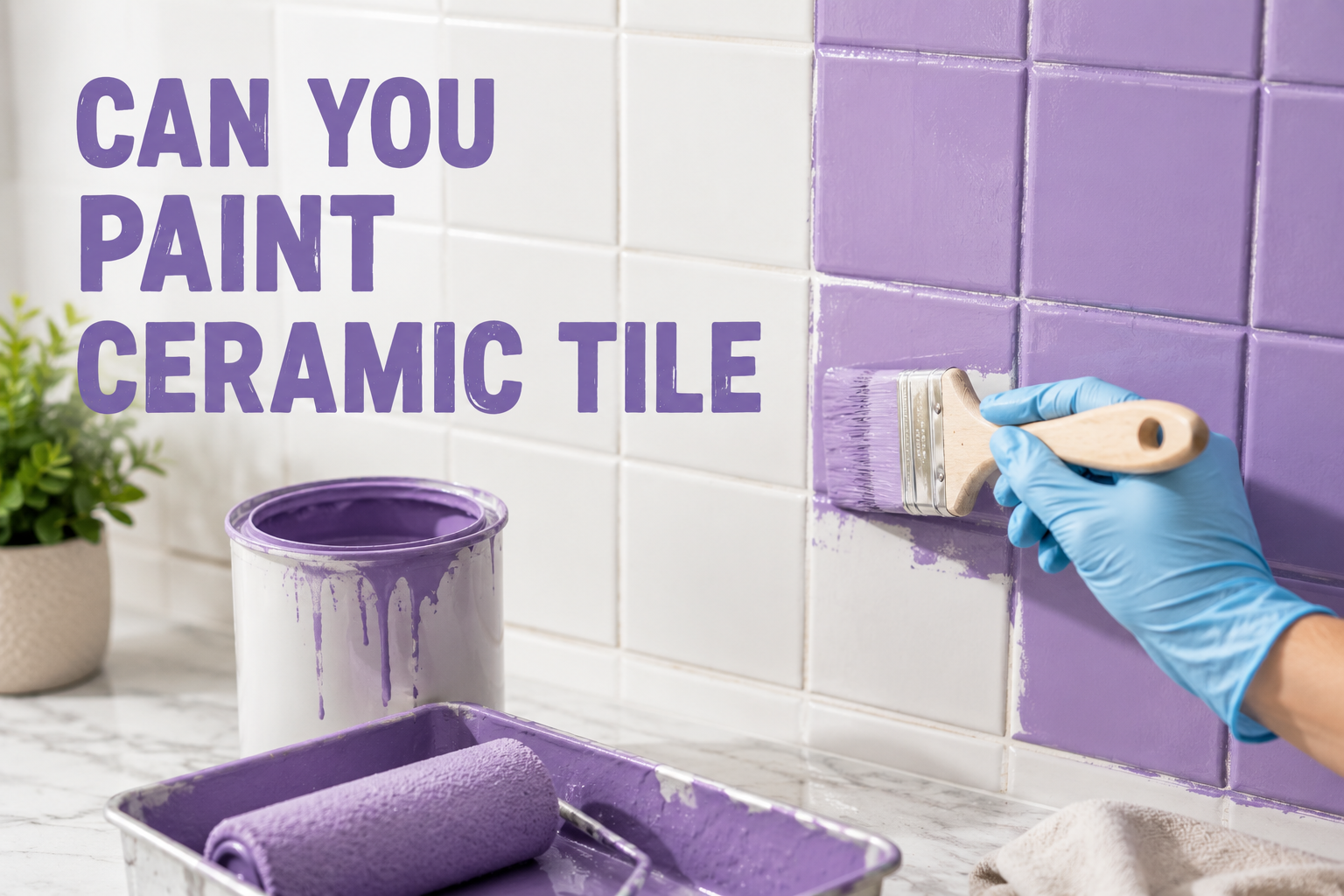

If you’re staring at outdated, chipped, or simply unattractive tile and wondering whether there’s a way to fix it without tearing everything out, you’re not alone. This is one of the most common questions homeowners ask when they’re trying to update a bathroom, kitchen, or living space on a budget. The good news is straightforward: yes, you can paint ceramic tile, and with the right products and preparation, the results can look surprisingly professional and last for years.
- 1. Can You Really Paint Ceramic Tile?
- 2. Benefits of Painting Ceramic Tile
- 3. Where You Can Paint Tile
- 4. Types of Paint That Work on Tile
- 5. Tools & Materials Needed
- 6. Step-by-Step: How to Paint Ceramic Tile
- 7. Painting Tile Floors vs. Walls
- 8. How Long Does Painted Tile Last?
- 9. Pros and Cons of Painting Tile
- 10. Common Mistakes to Avoid
- 11. Maintenance Tips for Painted Tile
- 12. Painting Tile vs. Replacing Tile
- 13. Frequently Asked Questions (FAQ)
- Conclusion
- Related Articles
This guide walks you through everything you need to know — from understanding why regular paint doesn’t work on tile, to the exact tools and steps involved, to how long you can expect painted tile to last. Whether you’re refreshing a backsplash, floor, or fireplace surround, this article will give you a clear, practical roadmap.
1. Can You Really Paint Ceramic Tile?
The short answer to “can you paint ceramic tile” is yes — but it’s not as simple as picking up a can of wall paint and getting to work. Ceramic tile has a hard, glazed, non-porous surface, which means standard paints have nothing to grip onto. Without the right preparation, paint will peel, chip, or flake off within weeks.
That said, painting ceramic tile has become a widely used and reliable technique, especially with the development of specialty tile paints, bonding primers, and epoxy coatings designed specifically for slick surfaces. When these products are used correctly and the surface is properly prepped, painted tile can hold up remarkably well to everyday use.
Understanding the surface you’re working with is the first step. Ceramic tile is fired at high temperatures and coated with a glass-like glaze, which is what gives it that smooth, shiny finish. This glaze is exactly what makes adhesion tricky — and exactly why prep work (cleaning, sanding or deglossing, and priming) is non-negotiable if you want your paint job to last.
2. Benefits of Painting Ceramic Tile
Painting tile isn’t just a workaround — it comes with real, practical advantages that make it worth considering even if replacing the tile is technically an option.
Cost is usually the biggest driver. Retiling a bathroom or kitchen involves not just the price of new tile, but labor, demolition, disposal, and often unexpected repairs to the subfloor or walls underneath. Painting, by comparison, can often be done for a fraction of the cost, sometimes with materials you can buy in a single trip to the hardware store.
Speed is another major benefit. A full retiling project can take days or even weeks depending on contractor availability, while a painting project can often be completed over a single weekend.
Finally, painting offers design flexibility that retiling doesn’t always allow. If you’re renting, staging a home for sale, or simply not ready to commit to a permanent tile choice, paint lets you experiment with color and finish without a long-term commitment.
3. Where You Can Paint Tile
Painted tile works in a variety of spaces around the home, though some applications are more forgiving than others.
Bathroom walls and floors are among the most popular places to paint tile, since bathrooms are often the first spaces homeowners want to update. Floors require more durable products due to foot traffic and moisture exposure, while walls are generally easier to work with.
Kitchen backsplashes are another excellent candidate, especially since they see less physical wear than floors but benefit greatly from a fresh, updated look.
Fireplace surrounds, often finished in dated tile, can be transformed with paint to modernize a whole room. Because fireplace tile experiences heat, it’s important to choose heat-resistant products in this case.
Outdoor and patio tile can also be painted, though it requires exterior-grade, weather-resistant products designed to handle UV exposure, temperature swings, and moisture.
4. Types of Paint That Work on Tile
Not all paint is created equal when it comes to tile. Below is a breakdown of the main options.
| Paint Type | Best For | Durability | Notes |
|---|---|---|---|
| Epoxy paint | Floors, high-traffic areas | Very high | Most durable option; often two-part formula |
| Acrylic/latex with bonding primer | Walls, backsplashes | Moderate to high | Affordable and widely available |
| Tile-specific paint kits | Bathrooms, kitchens | High | Designed specifically for tile adhesion |
| Chalk paint (with sealant) | Decorative walls, low-traffic areas | Low to moderate | Requires a strong topcoat to protect finish |
Epoxy paint is generally considered the gold standard for durability, particularly for floors and areas exposed to moisture or heavy use. Acrylic or latex paints paired with a high-quality bonding primer are a more budget-friendly option well-suited to walls. Tile-specific paint kits, often sold as all-in-one systems, are convenient because they include the primer, paint, and sometimes sealant in one package. Chalk paint can work for decorative, low-traffic surfaces, but it absolutely requires a protective sealant on top, since it isn’t naturally durable on its own.
5. Tools & Materials Needed
Before starting your project, gather the following supplies so you’re not stopping mid-project to run to the store:
- Mild cleaner or degreaser
- Sandpaper (medium grit) or a liquid deglosser
- Painter’s tape
- Bonding primer suited for tile or glossy surfaces
- Your chosen tile paint (epoxy, acrylic, or tile kit)
- Foam roller and angled brush
- Protective sealant or topcoat
- Drop cloths or plastic sheeting
Having everything on hand before you begin makes the process smoother and helps prevent rushed shortcuts that could compromise the final result.
6. Step-by-Step: How to Paint Ceramic Tile
Painting tile successfully comes down to following each step carefully rather than rushing through them. Here’s the process broken down.
Step 1: Clean the tile thoroughly Start by removing all dirt, soap scum, grease, and grime using a mild cleaner or degreaser. Any residue left behind will prevent paint from bonding properly, so this step deserves extra attention, especially in kitchens and bathrooms where buildup is common.
Step 2: Sand or degloss the surface Since ceramic tile has a smooth, glazed finish, you’ll need to rough it up slightly so primer and paint have something to grip. Lightly sand the surface with medium-grit sandpaper, or use a liquid deglosser if sanding isn’t practical. Wipe away all dust afterward.
Step 3: Apply primer A bonding primer designed for glossy or non-porous surfaces is essential. Skipping this step is one of the most common reasons painted tile fails prematurely. Apply an even coat and allow it to dry fully according to the product’s instructions.
Step 4: Paint the tile Once the primer has cured, apply your chosen paint in thin, even coats using a foam roller for flat areas and an angled brush for edges and grout lines. Two coats are typically recommended for even color and coverage, with adequate drying time between each.
Step 5: Apply a protective sealant A clear sealant or topcoat locks in the paint and adds a significant layer of durability, especially important for floors or high-moisture areas like showers.
Step 6: Curing time before use Even after the paint feels dry to the touch, it often needs additional time to fully cure and harden. Avoid heavy use, foot traffic, or water exposure for the recommended curing period, which can range from a couple of days to a couple of weeks depending on the product.
7. Painting Tile Floors vs. Walls
Floors and walls have very different demands, so the approach to each differs.
Floor tile faces constant foot traffic, pressure, and often moisture, which means it requires the most durable products available, typically epoxy-based systems along with a hard-wearing topcoat. Walls, on the other hand, are far less stressed physically, so acrylic or latex paint with a good bonding primer is often sufficient. If you’re deciding whether floors are a good candidate for painting, keep in mind that they will likely need more frequent touch-ups than walls simply due to wear patterns near doorways, sinks, and high-traffic zones.
8. How Long Does Painted Tile Last?
The lifespan of painted tile depends heavily on the product used, the quality of surface prep, and how much wear the area sees. On average, a well-executed paint job using quality products can last anywhere from two to five years before needing touch-ups, with walls and backsplashes often lasting longer than floors.
Several factors influence how long the finish holds up, including the amount of foot traffic, exposure to water or steam, the quality of the primer and sealant used, and how well the surface was prepped before painting. Signs that it’s time for a touch-up include visible scratches, chipping around edges or grout lines, dulling of the finish, or peeling in high-moisture areas like around a shower or sink.
9. Pros and Cons of Painting Tile
Like any home improvement approach, painting tile comes with trade-offs worth considering before you commit.
Advantages include significant cost savings compared to replacement, a relatively fast turnaround time, and the flexibility to change your design without a permanent commitment. It’s also a project many homeowners can tackle themselves without hiring a contractor.
Limitations include the fact that painted tile is generally less durable than original glazed tile or new replacement tile, it may require more frequent maintenance and touch-ups, and it’s not always a perfect match if you’re trying to seamlessly blend with existing unpainted tile elsewhere in the home. There’s also a learning curve, and results depend heavily on how carefully the prep steps are followed.
10. Common Mistakes to Avoid
Many painted tile projects fail not because painting tile doesn’t work, but because a key step was skipped or rushed. Some of the most frequent mistakes include skipping the cleaning or sanding step, which leaves paint with nothing to properly adhere to. Choosing the wrong type of paint, such as using standard wall paint instead of a tile-specific or epoxy product, is another common issue. Failing to apply a protective sealant leaves the finish vulnerable to scratches and moisture damage far sooner than it should be. Finally, rushing dry and cure times, even by a day or two, can weaken the bond between layers and lead to premature peeling.
11. Maintenance Tips for Painted Tile
Once your tile is painted and cured, a bit of ongoing care goes a long way toward preserving the finish. Clean painted tile with mild, non-abrasive cleaners rather than harsh chemicals or scouring pads, which can wear down the topcoat over time. Avoid dragging heavy furniture or objects across painted floors, and use mats or rugs in high-traffic areas to reduce wear. If you notice small chips or scratches forming, address them early with touch-up paint and sealant rather than waiting until the damage spreads. Depending on the product used and the amount of wear, resealing every one to two years can help extend the life of the finish significantly.
12. Painting Tile vs. Replacing Tile
When deciding between painting and full replacement, cost and time are usually the deciding factors. Painting is typically far less expensive, often costing a small fraction of what a full retile would run, and can usually be completed in a weekend rather than the days or weeks a full renovation might take. Replacement, on the other hand, offers longer-lasting durability and a completely fresh surface without the wear concerns that come with painted finishes.
If your existing tile is structurally sound and simply outdated in color or style, painting is often the more practical choice. If the tile itself is cracked, loose, or damaged, replacement is generally the better long-term investment.
13. Frequently Asked Questions (FAQ)
Does painted tile look real? With quality paint, proper prep, and a smooth application, painted tile can look very convincing, especially from a normal viewing distance. Up close, subtle texture differences may be noticeable compared to factory-glazed tile.
Can you paint over grout too? Yes, grout can be painted alongside the tile using the same or a specialized grout paint, which can also help unify the overall look of the surface.
Is it waterproof after painting? Painted tile isn’t inherently waterproof, but applying a quality sealant or epoxy topcoat provides strong water resistance suitable for bathrooms and kitchens when properly maintained.
How much does it cost? Costs vary widely depending on the products chosen and the size of the area, but painting tile is generally significantly cheaper than full replacement, often costing a small fraction of a retiling project.
Conclusion
So, can you paint ceramic tile? Absolutely — and for many homeowners, it’s a smart, budget-friendly way to breathe new life into a tired bathroom, kitchen, or living space without the cost and disruption of a full renovation. Success comes down to following the right process: thorough cleaning, proper sanding or deglossing, a quality bonding primer, durable paint suited to the space, and a protective sealant to lock everything in.
While painted tile may require a bit more maintenance over time than original or newly replaced tile, it offers a practical middle ground between living with outdated tile and committing to an expensive remodel. With careful prep and the right products, painting ceramic tile can be a rewarding project that transforms a space for a fraction of the cost of replacement.
Related Articles
Can You Use Acrylic Paint on Wood?
How Long to Wait Between Coats of Paint: A Complete Guide
What Is Thinner in Paint? A Complete Guide to Types, Uses & Safety Tips