
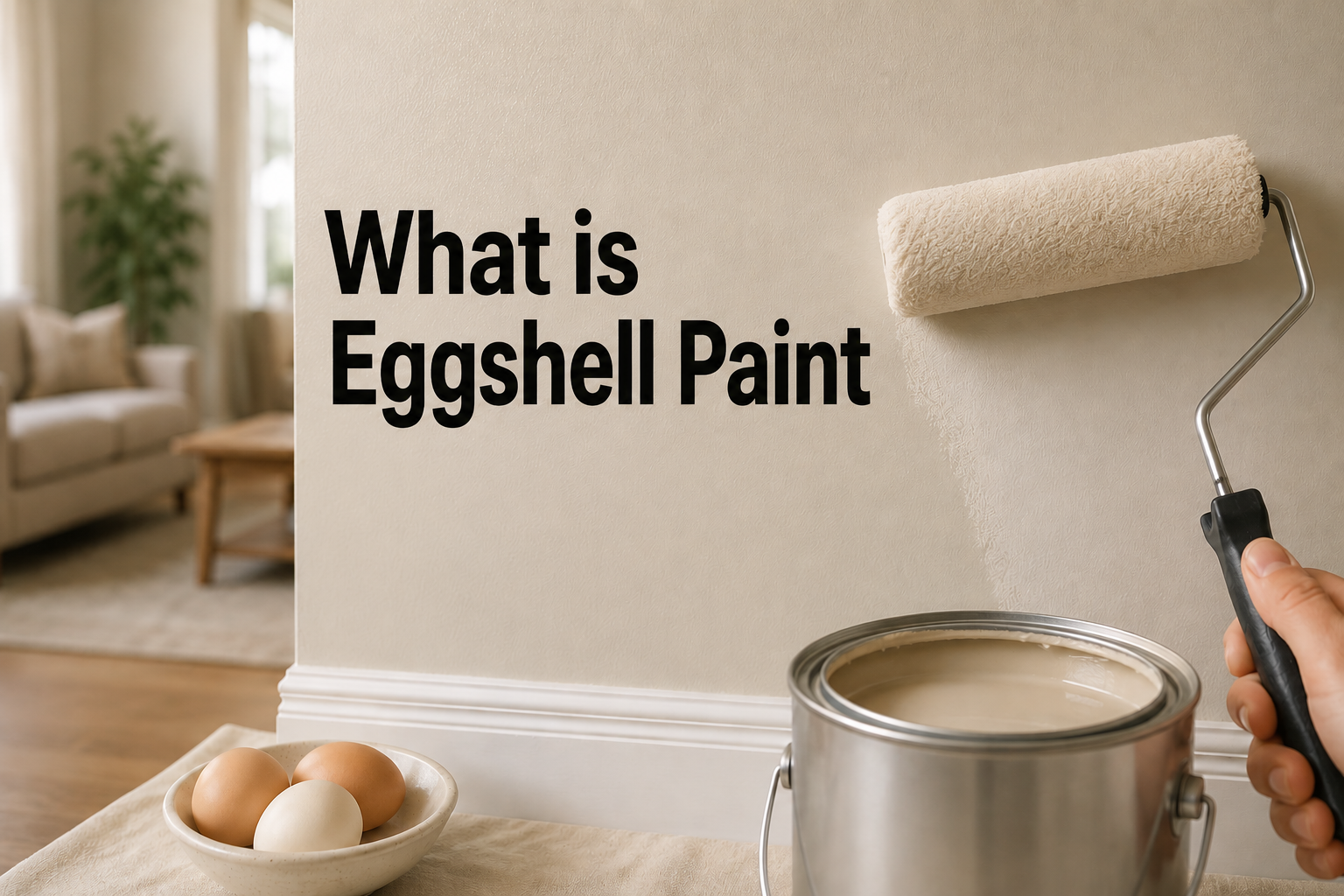

If you have ever stood in a paint store staring at rows of cans labeled matte, satin, semi-gloss, and eggshell, you have probably paused and asked yourself, “what is eggshell paint, and how is it different from the rest?” This question comes up often because paint sheen names sound technical, but the differences between them can make or break the final look of a room.
- What Is Eggshell Paint?
- Composition of Eggshell Paint
- Characteristics and Properties of Eggshell Paint
- Pros of Eggshell Paint
- Cons of Eggshell Paint
- Where to Use Eggshell Paint?
- Where Eggshell Paint Should Be Avoided?
- 9. Eggshell vs Other Paint Finishes
- How to Apply Eggshell Paint?
- How to Clean and Maintain Eggshell Painted Walls?
- Cost of Eggshell Paint?
- Popular Eggshell Paint Brands
- Eggshell Paint Color Trends
- Common Mistakes to Avoid
- Frequently Asked Questions
- Conclusion
- Related Articles
Eggshell paint is one of the most popular finishes chosen by homeowners and professional painters alike, mainly because it strikes a comfortable middle ground between a flat, no-shine look and a noticeably glossy surface. In this guide, we will walk through everything worth knowing about eggshell paint — what it is made of, where it shines (literally and figuratively), where it falls short, and how to use it correctly so your walls look their best for years to come.
What Is Eggshell Paint?
At its core, eggshell paint is a type of paint finish, not a paint color or brand. The name comes from its appearance: once dry, the surface has a soft, low luster that resembles the texture of a real eggshell — smooth, with just a hint of shine, but nowhere near as reflective as glass or polished metal.
To fully answer what is eggshell paint, it helps to place it on the sheen spectrum. Paint sheens generally fall into five categories, ranging from no shine at all to very high shine:
| Finish | Shine Level | Typical Look |
|---|---|---|
| Flat/Matte | Lowest | No shine, absorbs light |
| Eggshell | Low-medium | Soft, subtle glow |
| Satin | Medium | Gentle, pearl-like sheen |
| Semi-Gloss | Medium-high | Noticeable shine |
| Gloss | Highest | Mirror-like, very reflective |
Eggshell sits just above flat paint on this scale. It offers a bit more light reflection than a completely matte wall, which gives rooms a warmer, slightly richer appearance without looking shiny or artificial.
Composition of Eggshell Paint
Like most paints, eggshell paint is made from four basic building blocks: a binder that holds the paint together and helps it stick to the surface, pigment that provides color, a solvent (water or oil) that keeps the paint in liquid form until it is applied, and various additives that improve properties like drying time, mildew resistance, or flow.
Eggshell paint is available in both water-based (acrylic or latex) and oil-based formulas. Water-based eggshell paint has become far more common in recent years because it dries faster, produces less odor, and cleans up easily with soap and water. Oil-based versions are still used occasionally for trim or surfaces that need extra durability, though they take longer to dry and require solvents for cleanup.
What truly defines eggshell paint, chemically speaking, is the ratio of resin to pigment, which determines how much light the dried surface reflects. Most eggshell paints fall within a sheen level of roughly 10 to 25 percent on a gloss meter, placing them comfortably between flat and satin finishes.
Characteristics and Properties of Eggshell Paint
Understanding the core properties of eggshell paint makes it much easier to decide whether it is the right choice for a given room.
Sheen and light reflection: Eggshell paint reflects a modest amount of light, giving walls a soft glow rather than a flat, chalky appearance. This subtle shine can make rooms feel slightly brighter and more finished.
Durability and washability: Because it contains more resin than flat paint, eggshell paint is noticeably more durable and easier to wipe clean. Light marks, fingerprints, and smudges can usually be removed with a damp cloth without damaging the finish.
Coverage and opacity: Eggshell paint tends to offer good coverage, often requiring fewer coats than flat paint to achieve an even, opaque result.
Drying time: Water-based eggshell paint typically dries to the touch within one to two hours, though full curing can take up to two to three weeks depending on humidity and ventilation.
Texture on walls: The finish is smooth and even, without the slightly rougher texture sometimes associated with flat paint.
Pros of Eggshell Paint
There are several reasons eggshell paint remains a favorite among homeowners:
- It is easy to clean, making it suitable for rooms that see regular use.
- It hides minor wall imperfections, such as small dents or uneven patches, better than shinier finishes like satin or semi-gloss.
- It offers a balanced, versatile appearance that is neither too flat nor too shiny.
- It performs well in moderately high-traffic areas like hallways and living rooms.
- It is available in an extremely wide range of colors from virtually every paint brand.
Cons of Eggshell Paint
No finish is perfect for every situation, and eggshell paint has its own set of limitations worth considering:
- It is less durable and scrub-resistant compared to satin or semi-gloss finishes, which matters in areas exposed to heavy wear.
- It is not the best choice for rooms with constant moisture or humidity, such as steamy bathrooms.
- Touch-up paint can sometimes appear slightly different from the surrounding area once dry, especially under strong lighting.
- Achieving a smooth, streak-free finish requires proper surface preparation and technique, since imperfections can be more visible than with flat paint.
Where to Use Eggshell Paint?
Eggshell paint works particularly well in spaces where you want a touch of elegance without excessive shine. It is commonly recommended for:
- Living rooms, where its soft glow enhances natural and artificial lighting
- Bedrooms, offering a cozy yet refined look
- Hallways and dining rooms, which benefit from its washability
- Ceilings, in cases where a slightly richer look than flat paint is desired
- Home offices, providing a clean, professional appearance
- Bathrooms and kitchens with lower humidity levels, used cautiously
Where Eggshell Paint Should Be Avoided?
Despite its versatility, eggshell paint is not ideal everywhere. It tends to underperform in:
- High-humidity bathrooms, where moisture-resistant finishes like satin or semi-gloss are better suited
- Kitchens with heavy grease and cooking splatter, since more washable finishes hold up better
- Garages, mudrooms, or children’s play areas that require frequent, vigorous scrubbing
9. Eggshell vs Other Paint Finishes
Comparing eggshell to other common finishes makes its strengths and weaknesses much clearer.
Eggshell vs Flat/Matte: Flat paint has no shine and is excellent at hiding wall flaws, but it is harder to clean. Eggshell offers a bit more shine and significantly better washability.
Eggshell vs Satin: Satin has a noticeably smoother, pearl-like sheen and is more durable, making it a strong choice for kitchens, bathrooms, and trim. Eggshell is softer in appearance and slightly better at concealing wall imperfections.
Eggshell vs Semi-Gloss: Semi-gloss is much shinier and far more resistant to moisture and scrubbing, making it popular for trim, doors, and cabinets. Eggshell is better suited to large wall areas where a glossy look would feel overwhelming.
Eggshell vs Gloss: Gloss paint is the shiniest and most durable option, typically reserved for accents, furniture, or high-moisture trim rather than entire walls. Eggshell is far more practical for everyday living spaces.
| Comparison | Sheen Level | Durability | Best Use |
|---|---|---|---|
| Flat/Matte | Lowest | Low | Ceilings, low-traffic walls |
| Eggshell | Low-medium | Moderate | Living rooms, bedrooms |
| Satin | Medium | High | Kitchens, bathrooms, trim |
| Semi-Gloss | Medium-high | Very High | Doors, cabinets, trim |
| Gloss | Highest | Highest | Accents, furniture |
How to Apply Eggshell Paint?
Getting a professional-looking result with eggshell paint starts long before the roller touches the wall.
Surface preparation is the most important step. Walls should be cleaned of dust and grease, sanded smooth if needed, and any cracks or holes should be patched and allowed to dry fully.
Tools needed typically include a high-quality roller with a medium nap, an angled brush for edges and corners, painter’s tape, and drop cloths. A paint sprayer can also be used for larger, uninterrupted surfaces.
Number of coats: Most eggshell paint jobs require two coats for even coverage and consistent color, especially when covering a darker existing color.
Drying and curing time: While the surface may feel dry within a couple of hours, it is best to wait at least four hours between coats, and avoid heavy contact with the wall for two to three weeks to allow full curing.
Tips for a smooth finish include maintaining a wet edge while rolling, applying paint in a consistent “W” or “N” pattern, avoiding overworking the paint once it starts to tack up, and keeping the room well-ventilated during application and drying.
How to Clean and Maintain Eggshell Painted Walls?
One of the biggest advantages of eggshell paint is how manageable it is to maintain. For everyday cleaning, a soft microfiber cloth lightly dampened with water is usually enough to remove dust and light marks. For tougher stains, a mild soap diluted in warm water can be used, applied gently in a circular motion rather than aggressive scrubbing.
It is best to avoid abrasive sponges, harsh chemical cleaners, or excessive scrubbing pressure, as these can dull the sheen or leave visible marks on the surface. When doing touch-ups, using paint from the same batch and applying it with a small brush or foam applicator, feathering the edges, helps minimize visible differences.
Cost of Eggshell Paint?
The price of eggshell paint varies depending on brand, paint quality, and quantity purchased. On average, a gallon of standard eggshell paint falls in a mid-range price bracket compared to flat and premium satin or semi-gloss options.
Factors that influence cost include the paint brand’s reputation, whether the formula includes added features like stain resistance or low-VOC content, and the size of the container purchased, since larger quantities often reduce the price per gallon.
Popular Eggshell Paint Brands
Many well-known paint brands offer eggshell finishes suited for different needs, ranging from budget-friendly interior options to premium formulas designed for extra durability or low odor. Most major brands provide eggshell paint in both interior and limited exterior-rated versions, so it is worth checking product labels to confirm the intended use before purchasing.
Eggshell Paint Color Trends
Color choice plays a big role in how eggshell paint’s subtle sheen is perceived. Soft neutrals such as warm whites, muted greiges, and gentle beiges remain extremely popular because the eggshell finish enhances their depth without overwhelming a room. At the same time, bolder tones like deep blues, sage greens, and earthy terracottas are increasingly used on accent walls, where the light sheen of eggshell paint helps the color feel rich rather than flat.
Living rooms and bedrooms often lean toward calming neutral or muted tones, while home offices and dining rooms sometimes embrace slightly bolder colors to create a distinct atmosphere.
Common Mistakes to Avoid
Even experienced painters can run into trouble with eggshell paint if a few key details are overlooked:
- Choosing eggshell for a high-moisture room instead of a more suitable finish like satin or semi-gloss
- Skipping primer, which can lead to uneven color and poor adhesion
- Overworking the paint while rolling, which can create visible streaks or lap marks once dry
- Rushing between coats without allowing proper drying time
Frequently Asked Questions
Is eggshell paint washable? Yes, eggshell paint is reasonably washable and can handle light cleaning with a damp cloth or mild soap solution, though it is less scrub-resistant than satin or semi-gloss.
Is eggshell paint good for bathrooms? It can work in bathrooms with good ventilation and lower humidity, but for showers or steam-heavy bathrooms, satin or semi-gloss finishes are generally a better choice.
Eggshell vs satin — which is better for walls? Eggshell offers a softer look and hides wall imperfections slightly better, while satin provides more shine and durability. The right choice depends on the room’s use and desired appearance.
How many coats of eggshell paint are needed? Most projects require two coats for full, even coverage, especially when painting over a darker existing color.
Does eggshell paint show brush marks? It can show brush or roller marks more than flat paint if application technique is inconsistent, so maintaining a wet edge and using proper tools is important.
Conclusion
So, what is eggshell paint in simple terms? It is a versatile, low-to-medium sheen finish that balances the softness of flat paint with the practicality of easier cleaning, making it one of the most widely used choices for interior walls. Its subtle glow enhances natural light, its durability suits moderate everyday wear, and its wide color availability makes it easy to match almost any design style.
For living rooms, bedrooms, hallways, and dining areas, eggshell paint is often an excellent, well-rounded choice. However, for spaces exposed to heavy moisture or frequent scrubbing, such as busy kitchens, humid bathrooms, or garages, a more durable finish like satin or semi-gloss may serve you better. By understanding your room’s specific needs, you can confidently choose the right finish and enjoy walls that look great for years to come.
Related Articles
Is Acrylic Paint Washable? Complete Guide to Removing It From Any Surface
How Long to Wait Between Coats of Paint: A Complete Guide
How Do You Make the Colour Black with Paint? Complete Mixing Guide