

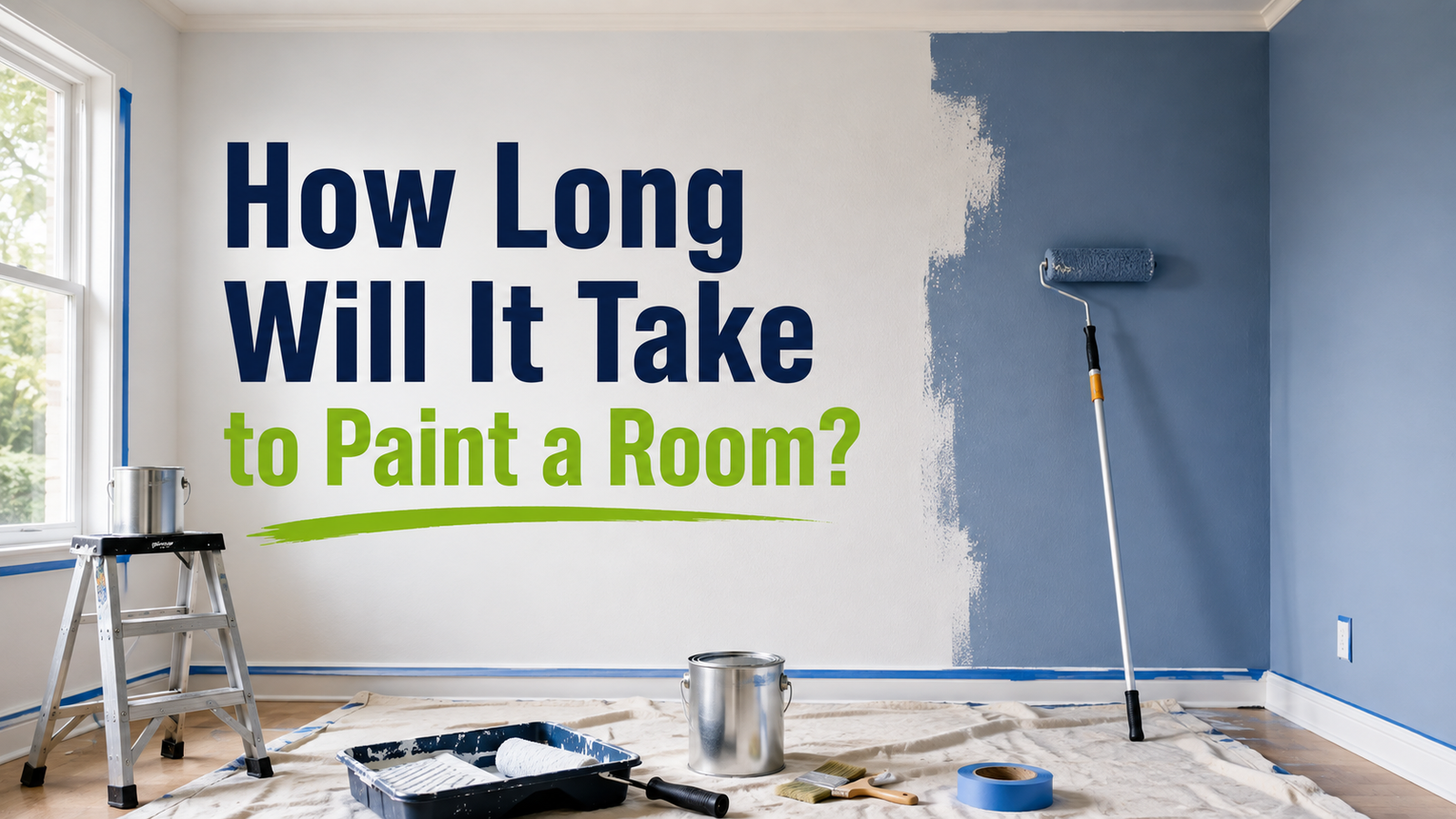

On average, it takes between 3 to 6 hours to paint a standard-sized room, and this includes the time spent on prep work, applying one or two coats of paint, and letting the paint dry properly between coats. However, this number can shift quite a bit depending on the size of the room, the condition of the walls, and whether you are doing the job yourself or hiring a professional painter.
- Factors That Affect Painting Time
- Room Size and Dimensions
- Wall Condition
- Number of Coats Needed
- Paint Type
- Ceiling Height
- Trim, Doors, and Windows
- Furniture and Obstacles
- Number of Painters Working
- Experience Level
- Weather and Humidity
- Time Breakdown by Room Type
- Step-by-Step Time Estimate
- Preparation
- Cleaning and Repairing Walls
- Priming
- First Coat Application
- Drying Time Between Coats
- Second Coat Application
- Trim and Edge Work
- Cleanup
- DIY vs Professional Painters Time Comparison
- Tips to Speed Up the Painting Process
- Common Mistakes That Delay Painting
- Cost vs Time Trade-Off
- FAQs
- Conclusion
- Related Articles
Understanding these variables ahead of time helps you plan your schedule, budget your time off work if needed, and avoid the frustration of an unfinished room sitting in disarray overnight. So if you’re asking yourself how long will it take to paint a room, the honest answer is: it depends on several factors, all of which are explained below.
This guide breaks down every stage of the painting process so you know exactly what to expect, whether you are painting a single bedroom or planning to repaint your entire home room by room.
Factors That Affect Painting Time
Several practical details influence how long a paint job actually takes, and most of them have less to do with the paint itself and more to do with the condition and setup of the room. Below, each factor is explained so you can estimate your own timeline more accurately.
Room Size and Dimensions
The larger the room, the more wall surface area there is to cover, which directly increases the time needed for rolling and cutting in edges. A small room like a powder room might take under an hour, while a spacious master bedroom or open-concept living area can take several hours just for the wall surfaces alone. Measuring your room’s square footage beforehand gives you a much more realistic starting point for your schedule.
Wall Condition
Walls that are smooth and already painted in good condition require far less prep than walls with cracks, nail holes, peeling paint, or uneven texture. Repairing damaged drywall, sanding rough patches, and applying spackle all add extra hours before you even open a paint can. If the wall surface needs significant repair work, it is wise to treat this as a separate day from the actual painting.
Number of Coats Needed
Most walls need two coats of paint to achieve even, solid coverage, especially when changing from a dark color to a lighter one or vice versa. Each additional coat adds not only application time but also drying time in between, which can add several hours to the overall project. Using a high-quality paint with good coverage can sometimes reduce this to a single coat, saving noticeable time.
Paint Type
Latex or water-based paints dry faster than oil-based paints, often allowing a second coat within two to four hours instead of the eight to twenty-four hours oil-based paint may require. If a primer is also needed, especially over stains, dark colors, or bare drywall, that adds another full drying cycle before the topcoat can go on. Choosing the right paint type based on your timeline needs is an important planning step.
Ceiling Height
Standard eight-foot ceilings are manageable without much extra equipment, but rooms with vaulted or unusually high ceilings require ladders, extension poles, or scaffolding, which slows down the process considerably. Working at height also demands more caution and frequent repositioning, both of which add time compared to a standard flat wall.
Trim, Doors, and Windows
Painting trim, door frames, and window casings requires more precision than rolling large wall sections, since these areas need careful taping and steady brushwork to avoid smudges. This detail work can easily add one to two hours to a project, particularly in older homes with intricate molding.
Furniture and Obstacles
A room that is fully furnished takes longer to paint than an empty one because furniture must be moved, covered, or removed entirely before work can begin. Time spent shifting heavy items, covering floors, and protecting fixtures should be factored into your total estimate rather than treated as a quick five-minute task.
Number of Painters Working
A single person working alone will naturally take longer than two or three people working together, since tasks like cutting in edges and rolling walls can be divided and done simultaneously. Bringing in extra hands, even for a few hours, can cut total project time nearly in half for larger rooms.
Experience Level
An experienced painter works with practiced, efficient strokes and rarely needs to redo sections, while a first-time DIYer may move more slowly and make small corrections along the way. This difference in skill level is one of the biggest reasons professional painters often finish a room in half the time a beginner would need.
Weather and Humidity
High humidity slows down paint drying significantly, sometimes doubling the wait time between coats, while dry, moderate conditions allow paint to cure much faster. If you are painting during a humid season, it is worth building extra buffer time into your schedule rather than assuming standard drying times will apply.
Time Breakdown by Room Type
Different rooms in a home naturally take different amounts of time due to their size, layout, and typical level of detail work involved. Below is a general breakdown to help you plan around the specific room you intend to paint.
| Room Type | Average Size | Estimated Time |
| Bedroom | 10×12 ft | 3–5 hours |
| Living Room | 12×18 ft | 5–8 hours |
| Kitchen | 10×10 ft (with cabinets) | 6–10 hours |
| Bathroom | 5×8 ft | 1–3 hours |
| Hallway/Staircase | Varies | 4–7 hours |
| Home Office | 8×10 ft | 2–4 hours |
Bedroom
A standard bedroom is one of the most straightforward rooms to paint since it usually has fewer obstacles than a kitchen or living space. Most bedrooms can be completed in three to five hours, including prep and two coats, assuming the walls are already in reasonable condition. Closets and built-in shelving can add extra time if they also need to be painted.
Living Room
Living rooms tend to be larger and often include more windows, built-ins, or accent walls that require additional attention. Expect five to eight hours for an average living room, particularly if there is furniture to move or intricate trim around windows and doorways. Open-concept spaces connected to dining areas may take even longer since they are essentially treated as one larger room.
Kitchen
Kitchens usually take the longest among standard rooms because cabinets, backsplashes, and appliances all need to be worked around or protected. A full kitchen repaint, including walls and possibly cabinet touch-ups, can take six to ten hours or more depending on complexity. Grease buildup on kitchen walls also often requires extra cleaning before paint will adhere properly.
Bathroom
Bathrooms are typically the smallest rooms in a home, which makes them one of the fastest to paint, often taking just one to three hours. However, moisture-resistant paint may require slightly longer drying times, and tight spaces around fixtures like sinks and toilets can slow down the brushwork. Ventilation is especially important here to help the paint cure properly.
Hallway and Staircase
Hallways and staircases are tricky not because of their size but because of their awkward shapes, high walls near stairwells, and the need for careful ladder work. This combination typically results in four to seven hours of work, even though the total square footage may be smaller than a bedroom. Safety precautions around stairs also add time that flatter rooms do not require.
Home Office or Small Room
Small rooms like home offices or nurseries are generally quick projects, often wrapped up in two to four hours. Since these rooms are usually lightly furnished and have simple layouts, most of the time goes into careful trim work rather than large wall coverage.
Step-by-Step Time Estimate
Breaking the painting process into individual steps makes it much easier to see exactly where the hours go and where you might be able to save time. The section below outlines each stage along with a realistic time range for a mid-sized room.
Preparation
Preparation includes moving or covering furniture, laying down drop cloths, and taping edges along trim, ceilings, and outlets. This stage typically takes thirty minutes to one hour depending on how much furniture and detail work is involved. Skipping this step to save time often leads to messier results that take longer to clean up later.
Cleaning and Repairing Walls
Walls should be wiped down to remove dust and grease, and any holes or cracks need to be filled with spackle and sanded smooth. This process usually takes thirty minutes for minor touch-ups but can extend to a few hours if there is significant damage to repair. Allowing spackle to dry fully before sanding is essential and should not be rushed.
Priming
Priming is necessary when covering dark colors, stains, or new drywall, and it generally takes thirty to forty-five minutes to apply to an average room. Primer typically needs one to two hours to dry before the topcoat can be applied, so this step adds meaningful time to the overall schedule. Skipping primer when it is genuinely needed often results in patchy, uneven color that requires extra coats anyway.
First Coat Application
Applying the first coat of paint to an average room usually takes one to two hours, depending on the size of the space and the number of people working. Rollers are typically used for large wall sections while brushes handle edges and corners simultaneously. This is usually the most time-consuming single step in the entire process.
Drying Time Between Coats
Most latex paints require two to four hours of drying time before a second coat can be applied, though this can extend in humid conditions. Rushing this step often causes the roller to pull up the first layer, creating streaks that require additional touch-up work. Many painters use this waiting period to clean brushes or start prep work in another room.
Second Coat Application
The second coat generally goes on faster than the first, taking around one to one and a half hours, since the painter already knows the layout and problem spots. This coat is what gives the wall its final, even appearance and should not be skipped even if the first coat looks fairly solid. Full drying after this coat typically takes another few hours before the room is fully usable.
Trim and Edge Work
Detailed trim, door frames, and window casings are usually handled separately from the main wall painting and can take one to two additional hours. This work requires a steadier hand and slower pace, since mistakes here are more visible than small imperfections on a large wall. Painter’s tape helps speed this up, though careful removal is still needed to avoid peeling wet paint.
Cleanup
Cleanup involves removing tape, washing brushes and rollers, and moving furniture back into place, which usually takes thirty minutes to one hour. Proper cleanup of tools also extends their usable life for future projects, so it is worth not rushing through this final stage.
DIY vs Professional Painters Time Comparison
Choosing between doing the job yourself and hiring a professional often comes down to how much time you have available and how quickly you need the room finished.
Average DIY Timeline
A DIY painter working alone on a single room typically needs a full day, factoring in breaks, learning curves, and the natural slower pace of someone without daily painting experience. Spreading the project across a weekend is common for those balancing the work with other responsibilities.
Average Professional Timeline
Professional painting teams often complete the same room in three to five hours because they work in pairs or groups and use practiced, efficient techniques. Their familiarity with tools and paint behavior also reduces the chances of mistakes that would otherwise require rework.
Tips to Speed Up the Painting Process
There are several practical ways to shorten the overall time needed without compromising the quality of the finished result, and combining a few of these methods can make a noticeable difference on any project.
- Use a paint sprayer for large, open walls instead of relying solely on rollers, since sprayers cover surface area much faster.
- Choose fast-drying, high-quality paint that often requires only one coat instead of two.
- Complete all prep work, including furniture removal and taping, the evening before painting day.
- Paint during moderate weather conditions rather than high humidity, which slows drying significantly.
- Bring in an extra person to split wall rolling and trim detailing simultaneously.
Common Mistakes That Delay Painting
Certain avoidable errors are responsible for a large portion of the extra hours people spend on painting projects that could otherwise be finished much faster.
Skipping proper wall cleaning or repair often leads to paint peeling or bubbling later, forcing a redo of sections that seemed finished.
Not allowing enough drying time between coats is another frequent issue, since impatience here usually results in visible streaks that require correction. Poor ventilation slows down drying regardless of paint quality, and using low-quality brushes or rollers can leave streaks and lint that require additional touch-up work.
Cost vs Time Trade-Off
Faster methods are not always the cheapest option, so it helps to weigh your budget against your available time before deciding on an approach. Paint sprayers, for example, cover walls quickly but require more setup, masking, and often cost more to rent or buy compared to a simple roller and brush.
Hiring professional painters shortens the timeline considerably but comes at a higher cost than handling the project yourself over a weekend. Choosing a mid-range, fast-drying paint often provides a reasonable balance, cutting down drying time without a significant jump in price compared to standard paint options.
FAQs
How long does one coat of paint take to dry? Most latex paints are dry to the touch within one to two hours and ready for a second coat within four hours, though full curing can take up to a month.
Can I paint a room in one day? Yes, a small to medium room can typically be painted in a single day if you start early, use fast-drying paint, and keep prep work efficient.
How long should I wait between coats? It is best to wait at least four hours between coats for latex paint and closer to twenty-four hours for oil-based paint to avoid streaking or peeling.
Does painting the ceiling add much time? Yes, ceilings typically add one to two extra hours since they require careful overhead work and often need their own separate coat before the walls are painted.
Conclusion
So, how long will it take to paint a room? On average, most standard rooms take between three and six hours when accounting for prep, application, and drying time, though this can vary widely based on room size, wall condition, and whether you are working alone or with help.
Compared to many general guides online that only give a single vague number, this breakdown gives you a realistic, room-by-room and step-by-step view so you can plan your actual project with confidence rather than guessing.
Related Articles
How to Remove Paint From Leather Without Damaging It?
Best Washable Glow in the Dark Paint: A Buyer’s Guide