
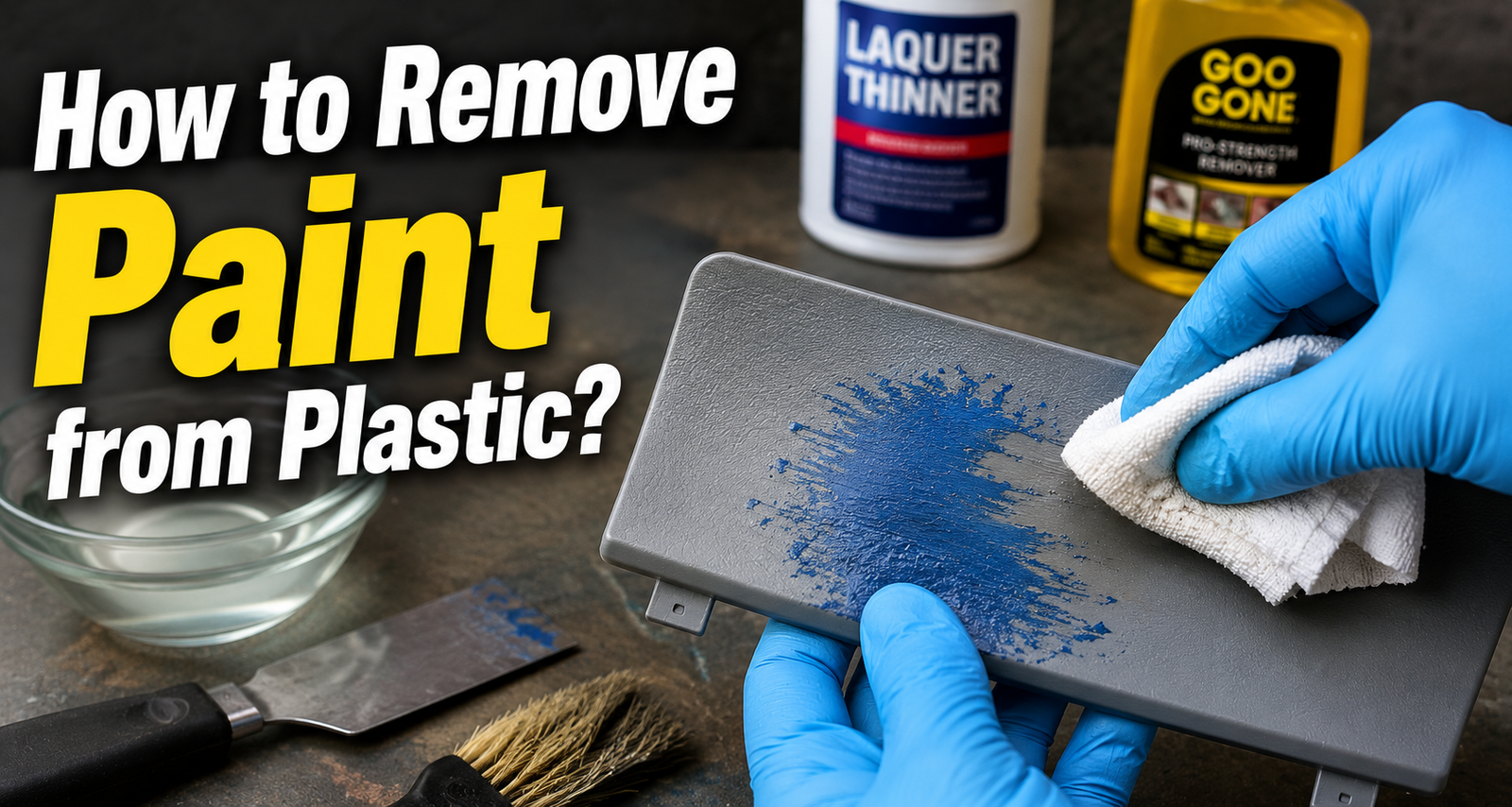

Paint stains on plastic surfaces are a common household problem that happens during home renovation projects, craft activities, or accidental spills. The good news is that you do not need expensive tools or professional help to fix this issue.
- Why Paint Gets on Plastic Surfaces Accidentally?
- Why the Right Removal Method Matters?
- What This Guide Covers?
- Understanding Plastic and Paint Types
- Common Types of Plastic
- Types of Paint You Might Be Dealing With
- Why the Method Depends on Both Factors?
- Safety Precautions Before You Start
- Tools and Materials Needed
- Method 1: Removing Wet or Fresh Paint
- Step-by-Step Wiping and Cleaning
- Using Soapy Water for Quick Cleanup
- Why Acting Fast Makes Removal Easier?
- Method 2: Removing Dried or Old Paint
- Softening Dried Paint with a Warm Water Soak
- Gently Scraping with a Plastic Tool
- Avoiding Scratches During Scraping
- Method 3: Using Rubbing Alcohol
- How It Works on Different Paint Types?
- Step-by-Step Application Process
- Best Plastic Types for This Method
- Method 4: Using Acetone or Nail Polish Remover
- When to Use This Stronger Method?
- Precautions Due to Plastic Damage Risk
- Step-by-Step Process for Safe Use
- Method 5: Using Commercial Paint Removers
- How to Choose Plastic-Safe Products?
- Application and Safety Steps
- Pros and Cons Compared to Household Methods
- Tips to Prevent Plastic Damage
- Avoid Excessive Scrubbing
- Choose the Mildest Effective Method First
- Test on a Small Area Before Full Application
- Cleaning and Finishing Steps
- Common Mistakes to Avoid
- Conclusion
- FAQs
- Does rubbing alcohol damage plastic?
- Can acetone be used on all plastics?
- What is the easiest way to remove fresh paint from plastic?
- Is it safe to use paint removers on children’s toys?
- Related Articles
Knowing how to remove paint from plastic the right way can save your furniture, toys, car trim, or outdoor items from permanent stains. This guide walks you through simple, safe, and effective methods using items you likely already have at home, along with a few precautions to keep your plastic surfaces looking new.
Why Paint Gets on Plastic Surfaces Accidentally?
Paint spills happen more often than people expect, especially during wall painting, furniture touch-ups, or craft projects. A brush might drip, a spray can might overspray, or a can might tip over near plastic items nearby.
Since plastic surfaces are often placed close to work areas, they become easy targets for these accidents. Understanding this helps you prepare protective coverings next time and act quickly when a spill does occur.
Why the Right Removal Method Matters?
Not every cleaning method works safely on plastic, and using the wrong product can cause more harm than the paint stain itself.
Some solvents that work well on wood or metal can melt, discolor, or scratch plastic surfaces permanently. This is why choosing a method suited to both the paint type and the plastic type is so important for a safe and effective outcome.
What This Guide Covers?
This article covers everything from understanding plastic and paint types to step-by-step removal methods for both wet and dried paint. It also includes special cases like spray paint, car trim, toys, and outdoor furniture, along with common mistakes to avoid. By the end, you will have a complete answer to how to remove paint from plastic safely and effectively.
Understanding Plastic and Paint Types
Different plastics react differently to cleaning agents, and different paints require different removal approaches. Knowing what you are dealing with before you start prevents unwanted damage and saves time.
Common Types of Plastic
Household items are usually made from PVC, polyethylene, polypropylene, or acrylic plastic, and each has a different level of resistance to chemicals.
Softer plastics like polyethylene can scratch or warp easily under strong solvents, while harder plastics like acrylic tend to hold up better. Identifying the plastic type, often found on a label or stamped symbol, helps you choose a removal method that will not cause damage.
Types of Paint You Might Be Dealing With
Paint generally falls into three categories: water-based (latex), oil-based (enamel), and spray paint, each behaving differently once it dries. Water-based paints are usually the easiest to remove since they dissolve in water and mild soap.
Oil-based and spray paints are tougher and often require alcohol, acetone, or specialized removers to break down fully.
Why the Method Depends on Both Factors?
The safest and most effective removal approach always considers both the plastic and the paint type together, not just one of them.
For example, acetone might remove oil paint quickly but could damage certain soft plastics at the same time. Matching the mildest effective method to your specific combination is the key to successful, damage-free paint removal.
Safety Precautions Before You Start
Before attempting any paint removal method, a few safety steps ensure both your health and the plastic surface remain protected throughout the process.
Work in a Ventilated Area
Many paint removal products, including rubbing alcohol and acetone, release strong fumes that can cause dizziness or irritation in closed spaces.
Always work near an open window or in a well-ventilated room to avoid breathing in these fumes for extended periods. This is especially important when working with commercial paint removers, which tend to have stronger chemical odors.
Wear Gloves and Eye Protection
Solvents and scrapers can irritate skin or accidentally splash into your eyes during the cleaning process. Wearing rubber gloves protects your hands from chemical exposure, while safety glasses prevent accidental splashes from causing harm. This simple precaution takes only a minute but significantly reduces the risk of injury.
Always Test on a Hidden Area First
Every plastic surface reacts differently to cleaning products, so testing on a small, hidden spot before full application is essential. Apply a small amount of your chosen product to an inconspicuous area and wait a few minutes to check for discoloration or damage. If the plastic looks unaffected, you can proceed confidently with the rest of the surface.
Tools and Materials Needed
Having the right tools ready before you begin makes the entire paint removal process smoother and more efficient.
Household Items You Likely Already Have
Basic supplies such as warm water, dish soap, a soft cloth, and a sponge form the foundation of most paint removal methods. These items are gentle enough for daily use and work well on fresh or water-based paint stains. Keeping them within reach saves you from unnecessary trips to the store for simple cleanups.
Specialized Tools for Tougher Stains
For dried or stubborn paint, a plastic scraper or an old credit card works well without scratching the surface underneath. Rubbing alcohol, acetone-based nail polish remover, and plastic-safe commercial paint removers handle tougher jobs that soap and water cannot fully resolve.
A soft-bristle brush and microfiber cloths also help with gentle scrubbing and final polishing after the paint is removed.
Here is a quick reference table for tools and their best use cases:
| Tool/Material | Best Used For |
| Warm soapy water | Fresh or water-based paint |
| Plastic scraper/old card | Dried, flaky paint |
| Rubbing alcohol | Water-based and oil-based paint |
| Acetone/nail polish remover | Stubborn oil-based or spray paint |
| Commercial paint remover | Heavy, old paint stains |
| Soft-bristle brush | Gentle scrubbing without scratches |
| Microfiber cloth | Wiping and final polishing |
Method 1: Removing Wet or Fresh Paint
Fresh paint is by far the easiest to remove since it has not yet had time to bond firmly with the plastic surface.
Step-by-Step Wiping and Cleaning
As soon as you notice a paint spill, grab a clean cloth and gently blot the area instead of rubbing, which can spread the paint further. Dampen the cloth with warm water and continue blotting until most of the paint lifts away from the surface. Repeat with a fresh section of the cloth as needed until the plastic looks clean.
Using Soapy Water for Quick Cleanup
Mix a few drops of dish soap into warm water and use a sponge to gently scrub the remaining paint residue in circular motions. The soap helps break down water-based paint particles, making them easier to wipe away completely. Rinse the area with clean water afterward and dry it with a soft towel.
Why Acting Fast Makes Removal Easier?
The longer paint sits on plastic, the more it hardens and bonds to the surface, making removal significantly harder over time. Acting within the first few minutes of a spill means you can often avoid stronger solvents altogether. This is one of the simplest tips for anyone learning how to remove paint from plastic without extra effort.
Method 2: Removing Dried or Old Paint
Once paint has fully dried, a slightly different approach is needed to loosen it before it can be wiped away.
Softening Dried Paint with a Warm Water Soak
Fill a basin with warm water and soak the plastic item, or apply a warm, damp cloth if the item cannot be submerged. Let it sit for ten to fifteen minutes so the water can penetrate and soften the hardened paint layer. This step alone often loosens enough paint to make scraping much easier afterward.
Gently Scraping with a Plastic Tool
Once the paint has softened, use a plastic scraper or an old credit card to gently lift the edges of the paint away from the surface. Work slowly and at a shallow angle to avoid pressing too hard into the plastic underneath. Continue scraping small sections at a time rather than trying to remove large areas at once.
Avoiding Scratches During Scraping
Always use tools made of plastic or soft materials rather than metal scrapers, which can leave permanent scratch marks on the surface. If you feel resistance, stop and soak the area again rather than forcing the paint off. Patience during this step protects the plastic’s finish and appearance long-term.
Method 3: Using Rubbing Alcohol
Rubbing alcohol is a versatile household solvent that works on a wide range of paint types without being overly harsh on most plastics.
How It Works on Different Paint Types?
Rubbing alcohol breaks down the chemical bonds in both water-based and oil-based paints, making it a reliable middle-ground solution.
It evaporates quickly, which reduces the risk of it soaking too deeply into the plastic material. This makes it a popular choice for moderate paint stains that soap and water alone cannot handle.
Step-by-Step Application Process
Dampen a clean cloth with rubbing alcohol and press it against the painted area for about thirty seconds to let it penetrate. Gently rub in small circular motions until the paint begins to lift and transfer onto the cloth. Repeat with fresh sections of the cloth until the plastic surface is completely clean, then wipe with a damp cloth to remove any residue.
Best Plastic Types for This Method
Rubbing alcohol works particularly well on hard plastics such as acrylic and polycarbonate, which tend to resist chemical damage better.
Always test on a hidden spot first for softer plastics like polyethylene, since prolonged exposure can occasionally cause dullness. This simple check ensures you get clean results without unwanted side effects.
Method 4: Using Acetone or Nail Polish Remover
For particularly stubborn paint stains, acetone offers a stronger solution, though it requires extra caution during use.
When to Use This Stronger Method?
Acetone is best reserved for oil-based paint or spray paint that has resisted milder methods like soap or rubbing alcohol. It works by breaking down tougher paint formulas more aggressively than alcohol, making it effective on stains that have been sitting for a while. However, it should only be used after softer methods have been tried first.
Precautions Due to Plastic Damage Risk
Acetone can melt, cloud, or discolor certain plastics, particularly softer types, so a hidden-area test is absolutely essential before full use. Avoid leaving acetone on the surface for extended periods, as prolonged contact increases the risk of permanent damage. If you notice any softening or texture change during testing, switch to a milder method instead.
Step-by-Step Process for Safe Use
Apply a small amount of acetone to a cotton ball or soft cloth rather than pouring it directly onto the plastic surface. Dab the paint stain gently, allowing the acetone to dissolve the paint without excessive rubbing or pressure. Wipe away the residue immediately with a clean, damp cloth once the paint has lifted to limit prolonged chemical contact.
Method 5: Using Commercial Paint Removers
When household solutions are not strong enough, commercial paint removers formulated for plastic offer a reliable backup option.
How to Choose Plastic-Safe Products?
Always check the product label to confirm it is specifically labeled as safe for use on plastic surfaces before purchasing. Some paint removers are designed for wood or metal and can cause serious damage if used on plastic instead. Reading reviews or manufacturer instructions beforehand helps you avoid costly mistakes.
Application and Safety Steps
Follow the manufacturer’s instructions closely, as application times and methods can vary between different commercial products. Typically, you apply the product, let it sit for the recommended time, and then wipe or scrape away the loosened paint. Always wear gloves and work in a ventilated space, since these products tend to be stronger than household alternatives.
Pros and Cons Compared to Household Methods
Commercial removers are generally faster and more effective on old, stubborn paint compared to household solutions like soap or alcohol.
However, they tend to be more expensive and carry a higher risk of damaging sensitive plastics if not tested first. Weighing these factors helps you decide whether a store-bought product is truly necessary for your situation.
Tips to Prevent Plastic Damage
A few simple habits can help protect plastic surfaces from damage while removing paint stains.
Avoid Excessive Scrubbing
Scrubbing too hard, even with soft tools, can create fine scratches that dull the plastic’s finish over time. Gentle, repeated motions combined with adequate soaking time are far more effective than aggressive scrubbing. This approach preserves the surface while still achieving a clean result.
Choose the Mildest Effective Method First
Always start with soap and water before moving to alcohol, acetone, or commercial removers, since stronger products carry higher risks. This step-by-step approach, starting mild and escalating only if needed, is the safest way to protect your plastic items. It also saves money by avoiding unnecessary purchases of specialized products.
Test on a Small Area Before Full Application
This precaution has been mentioned throughout the guide because it is genuinely the most important step in preventing damage. A quick test, taking less than five minutes, can save you from ruining an entire plastic item. Make this a non-negotiable habit every time you try a new removal method.
Cleaning and Finishing Steps
Once the paint has been fully removed, a few final steps ensure the plastic surface looks its best.
Rinsing Off Residue
After using any solvent or soap, rinse the area thoroughly with clean water to remove all traces of the cleaning product. Leftover residue can attract dust or cause the surface to feel sticky if not properly rinsed away. This step is quick but makes a noticeable difference in the final appearance.
Drying the Surface Properly
Use a soft, lint-free cloth to dry the plastic completely, paying attention to any grooves or textured areas where moisture can collect. Allowing the surface to air dry for a few extra minutes afterward ensures no dampness remains trapped. Proper drying also prevents water spots from forming on the clean surface.
Polishing Plastic After Paint Removal
For a truly finished look, a plastic polish or protectant spray can restore shine and add a layer of protection against future stains. This step is optional but recommended for items like car trim or furniture that face regular exposure to the elements. A quick polish also helps blend the cleaned area with the rest of the surface.
Common Mistakes to Avoid
Even with the best intentions, a few common errors can lead to disappointing results or unnecessary damage.
Using Metal Tools That Scratch
Metal scrapers or knives might seem like a quick solution, but they almost always leave visible scratches on plastic surfaces. Stick to plastic tools or soft cards instead, even if the process takes slightly longer to complete. The extra patience pays off in preserving the item’s original finish.
Applying Strong Solvents Without Testing
Skipping the test step is one of the most common mistakes people make when trying to remove paint quickly. A product that works perfectly on one plastic item can cause discoloration or melting on another. Always take the extra few minutes to test before committing to full application.
Conclusion
Removing paint from plastic does not have to be a stressful or complicated task when you follow the right approach for your specific situation. Starting with mild methods like soap and water, and only moving to stronger solutions like alcohol or acetone when necessary, protects your plastic items while still achieving clean results.
Whether you are dealing with a fresh spill or old, dried paint, the key is patience, proper testing, and choosing the mildest effective method first. With the steps outlined in this guide, you now have a complete answer to how to remove paint from plastic safely and effectively for almost any situation.
FAQs
Does rubbing alcohol damage plastic?
Rubbing alcohol is generally safe for most hard plastics, but it should always be tested on a hidden area first, especially with softer plastic types.
Can acetone be used on all plastics?
No, acetone can melt or discolor certain soft plastics, so it should only be used after testing and ideally as a last resort for stubborn stains.
What is the easiest way to remove fresh paint from plastic?
Warm soapy water combined with gentle blotting is usually enough to remove fresh, wet paint before it has a chance to dry and harden.
Is it safe to use paint removers on children’s toys?
It is best to avoid strong chemical removers like acetone on toys and stick to mild soap and water for safety reasons.
Related Articles
Can Acrylic Paint Be Used on Fabric?